Indie Games Revolution: Why PC Games are Embracing Unique Creativity
The landscape of PC games has undergone a seismic shift in recent years. Gamers across the globe, particularly in the Czech Republic, are experiencing the creative renaissance brought about by indie developers. As traditional gaming models stagnate, indie games have emerged as a beacon of innovation. But why are PC games embracing this unique creativity? Let's dive in!
Understanding the Indie Games Phenomenon
Indie games, or independent games, are developed by individuals or small teams without the financial backing of a large publisher. They often reflect the personal touch of their creators, resulting in unique gameplay experiences, captivating narratives, and innovative mechanics. Unlike major studio productions, where formulas often dictate outcomes, indie games can experiment with unconventional ideas.
Table: Key Characteristics of Indie Games
| Characteristic | Description |
|---|---|
| Creativity | Indies introduce fresh concepts and gameplay strategies. |
| Personalization | The resemblance of the creator's vision makes these games feel unique. |
| Accessibility | Usually available at lower prices, promoting inclusivity. |
| Community Engagement | Indie developers often involve players in the development process. |
Why PC Games Embrace Indie Creativity
Many factors contribute to the growing popularity of indie games in the PC gaming sector:
- Freedom of Expression: Indie developers are free from corporate constraints, allowing their creativity to flourish.
- Market Demand: Gamers seek unique experiences that aren’t found in mainstream titles.
- Diverse Narratives: Indie games often tackle themes and stories that larger studios shy away from.
- Technological Advancement: Tools for game development have become more accessible, enabling smaller teams to produce quality content.
From War Games to Farm RPGs: A Broad Spectrum
Indie games are not restricted to any one genre. Whether it’s war games like Clash of Clans or exciting farm RPG games, there's something for every type of gamer. Let's explore how these differing genres come together under the innovation umbrella of indie games.
Exploring War Games: A Look into Clash of Clans
Clash of Clans has revolutionized the way we think about strategy gaming. As an indie-inspired concept that originated from mobile platforms, its success on PC demonstrates how creative freedom can result in global phenomena. Players have not only engaged in strategic warfare but have also built clans and formed communities, merging collaboration with competition.
Farm RPG Games: The Creative Charm
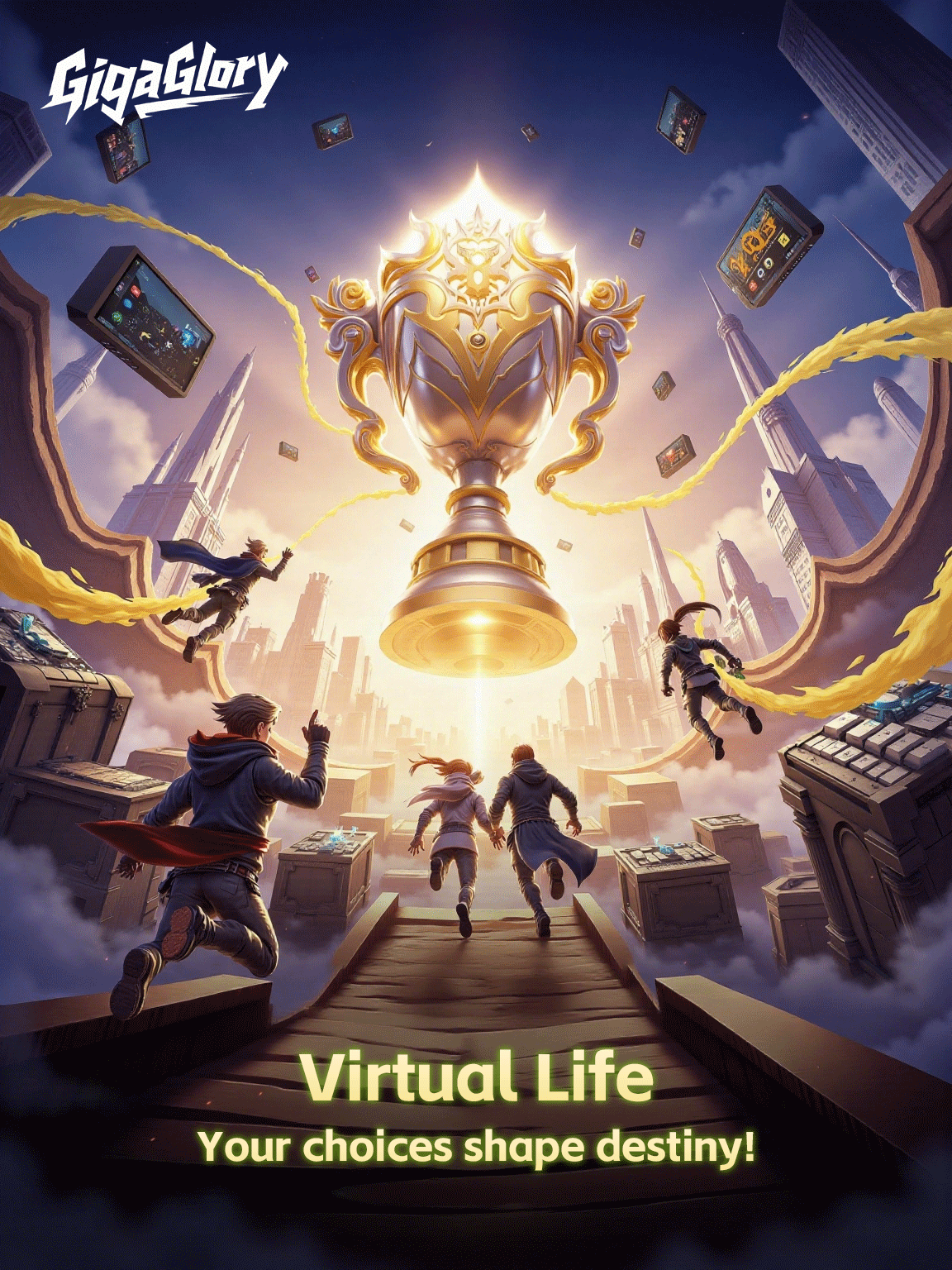
On the other end of the spectrum, farm RPG games like Stardew Valley focus on nurturing relationships and creating a sustainable world. These games allow players to create, manage, and thrive in a charming environment, emphasizing creativity over conventional conflict. They highlight the emotional connections players can cultivate, setting them apart from traditional gaming experiences.
Community and Collaboration: A Different Kind of Multiplayer
Unlike typical multiplayer experiences, where competitiveness reigns supreme, large segments of indie games foster community-oriented gameplay. Players often share resources, strategies, and experiences. This collaborative spirit can be invigorating, allowing players to engage deeply with the game and one another.
Revenue Models: How Indie Games Thrive
Financial factors also play a crucial role in the indie games revolution. Many indie developers rely on crowd-funding, early access, and direct sales via platforms like Steam and Itch.io. By circumventing traditional publisher routes, they can maintain creative control while also establishing deeper connections with their audience. This is a stark contrast to larger studios, which may prioritize profitability over innovation.
Visual and Artistic Expressions
One of the most striking features of indie games is their artistic diversity. With less pressure from stakeholders, developers can explore unique visual styles, often leading to breathtaking aesthetics. Whether it’s pixel art, hand-drawn graphics, or minimalist design, these visual choices enhance the player’s experience and emotional engagement.
Gameplay Mechanics: Innovation vs. Tradition

Indie developers often test the boundaries of gameplay mechanics. Games can range from innovative narrative choices that affect outcomes to entirely new methods of player interaction. This experimentation can lead to findings that larger franchises adopt, continually reshaping the gaming landscape.
Resilience amid Challenges
The journey isn’t always smooth for indie game developers. They face challenges like funding, marketing, and visibility amidst a saturated market. However, through creativity, community support, and sometimes sheer tenacity, many have found success despite these hurdles.
The Future of Indie Games in the PC Market
The influx of creativity in PC gaming due to indie developers has marked a new chapter. With advancements in technology and community engagement, the future looks bright. We’re likely to see more innovative titles blurring the lines between genres and enriching the gaming experience.
Conclusion: A Celebration of Creativity
Indie games have breathed new life into the PC gaming world, showcasing what can happen when creativity runs free. As players, we’re not just consumers; we’re part of a larger narrative, shaping the future of how games are developed and appreciated. Whether you lean towards epic war games, engaging farm RPG games, or something entirely different, there’s a wealth of creativity waiting to be explored. Embrace the indie revolution, as it’s not just about playing games; it’s about celebrating the unique stories and innovations that make our gaming experiences truly unforgettable.